Tiếng Việt
The first quarter of 2026 marks a period of strong and inspiring growth for Maries Co., Ltd. – a premium handicraft brand from Huế, specializing in products made from lepironia grass. More than just a production story, Maries is steadily asserting its position within Vietnam’s handicraft sector, building a close connection between cultural heritage, community livelihoods, and a long-term vision for sustainable development.
A New Space – A New Way of Storytelling
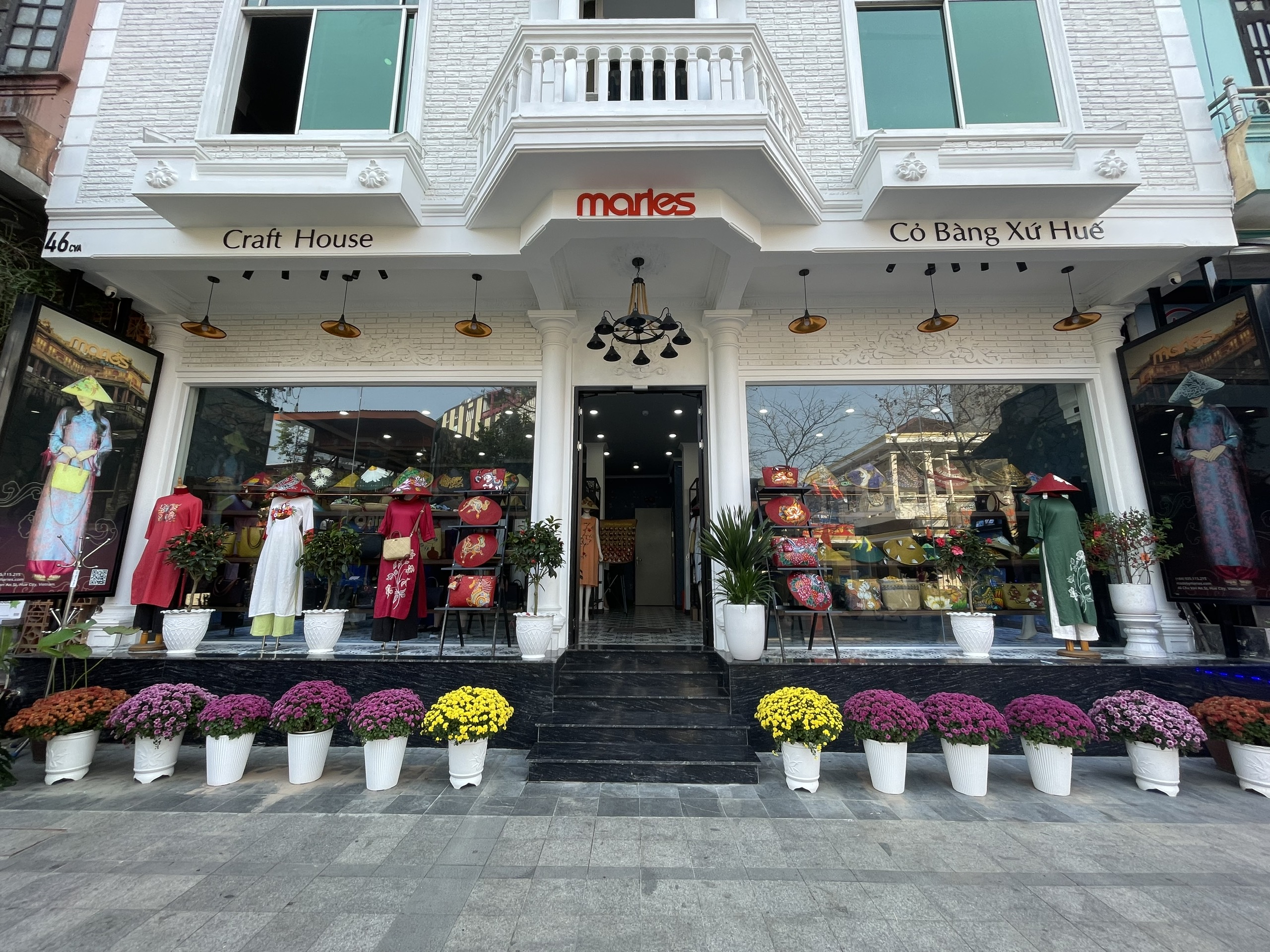
At the beginning of 2026, Maries Vietnam officially completed the relocation of its showroom, opening a completely new experiential space—larger, brighter, and more professional. This is not merely a change of location, but a strategic transformation aimed at elevating the Maries brand.
The new showroom is designed as a “Maries Craft House,” where customers do not simply purchase products, but can truly “touch” the journey behind a traditional Huế conical hat, a handbag, or handcrafted accessories. From raw lepironia grass fibers to finished products, every stage is conveyed through space and real-life experience.
This relocation allows Maries’ handcrafted collections to stand out more prominently, improving accessibility for both tourists and international partners. It also lays the foundation for expanding Maries’ brand strategy—bringing Vietnamese handicrafts to the global market.
Training Young Artisans – Preserving Craft Through Knowledge Transfer
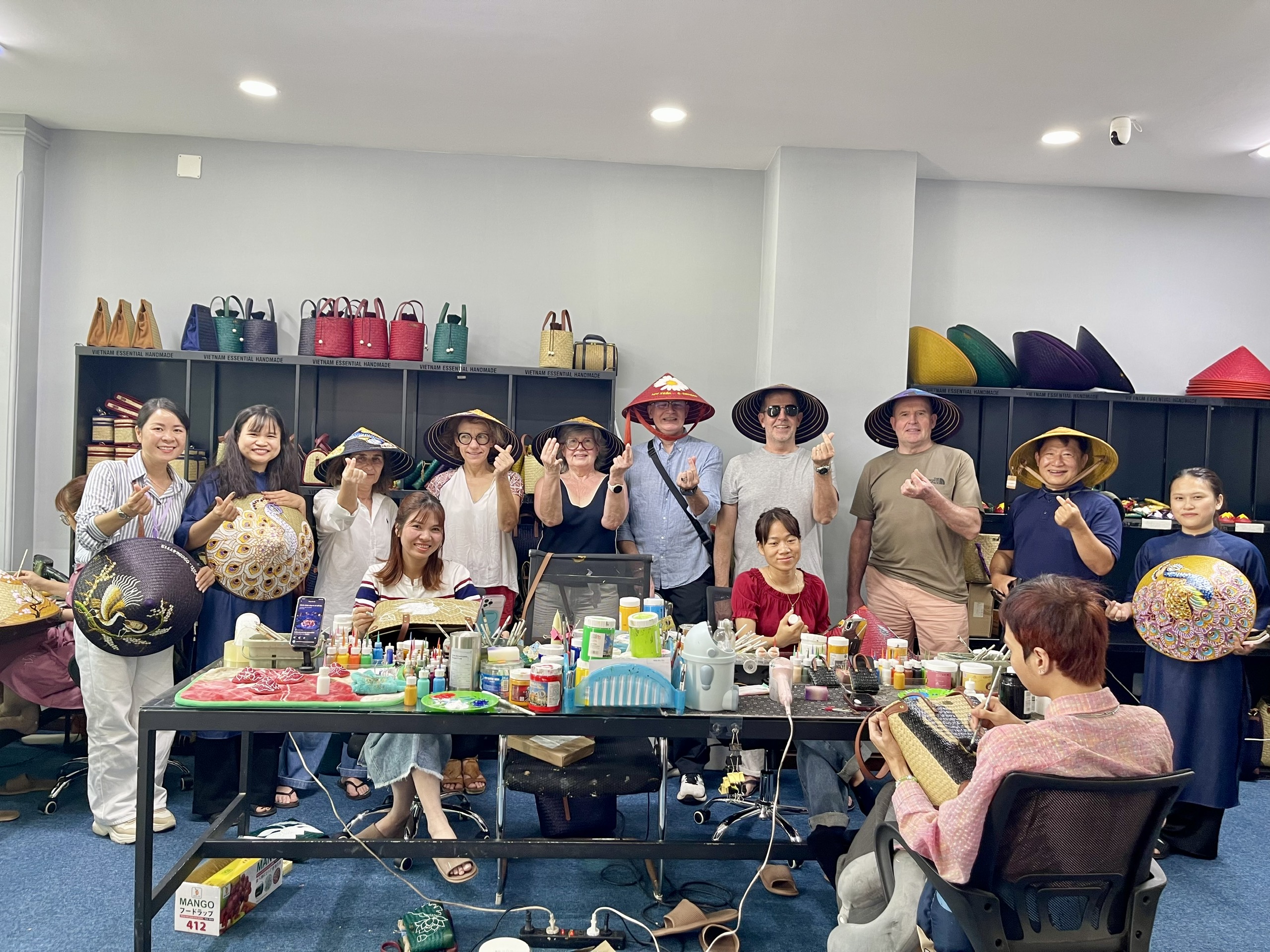
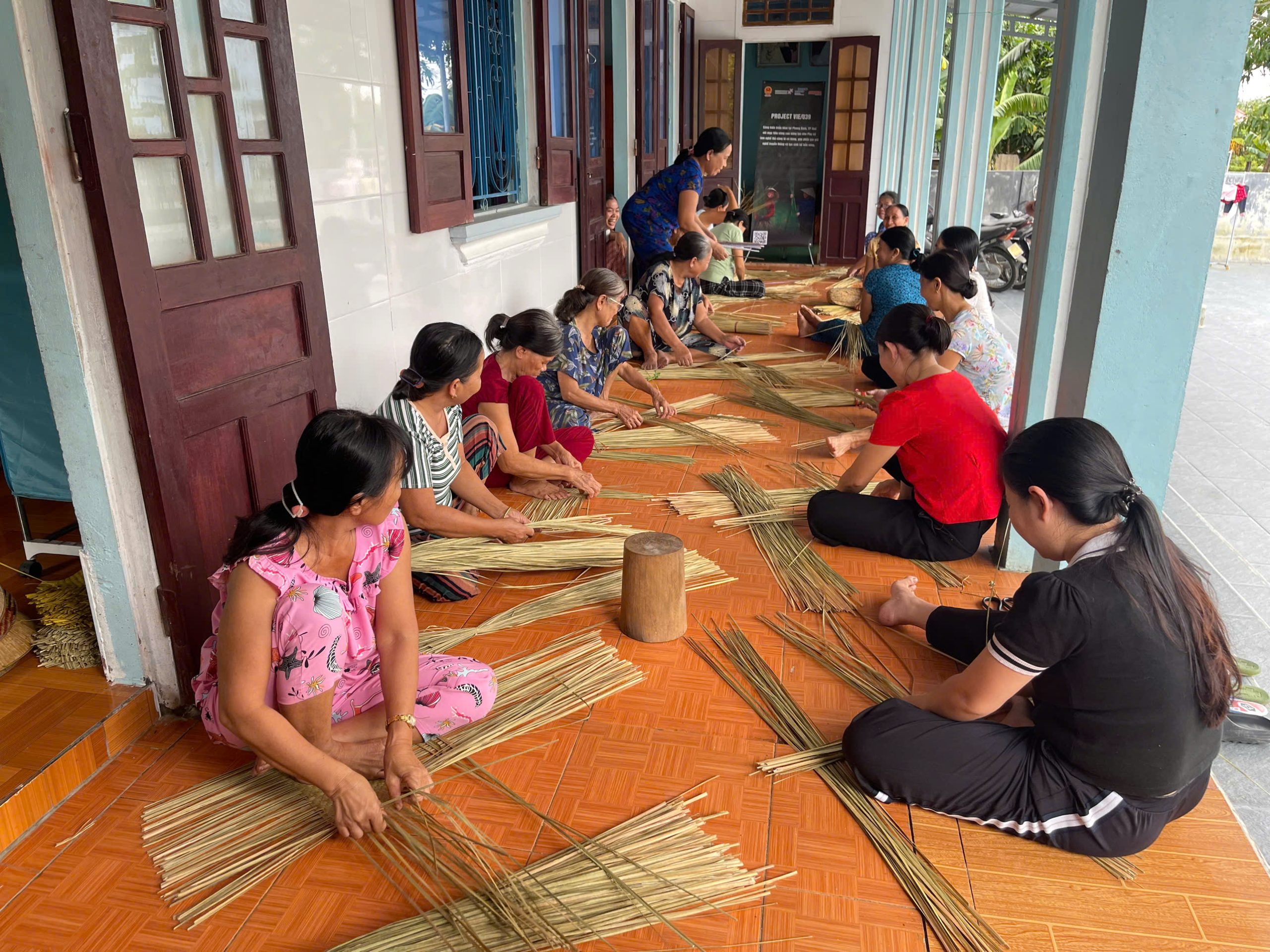
Alongside market development, Maries continues to implement training programs in Huế’s traditional lepironia grass weaving villages, as part of its sustainable development partnerships.
These training sessions go beyond technique—they are a process of intergenerational knowledge sharing. Experienced artisans guide newcomers, from selecting raw materials to handling intricate details. This transfer of knowledge ensures the continuity of the craft.
At a time when many traditional villages face the risk of fading away, maintaining a young artisan workforce is a positive signal. For Maries, preserving a craft does not mean keeping it unchanged—it means helping it adapt and remain relevant in today’s world.
Welcoming the Lao Delegation – Connecting Sustainable Economies Through Lepironia Grass
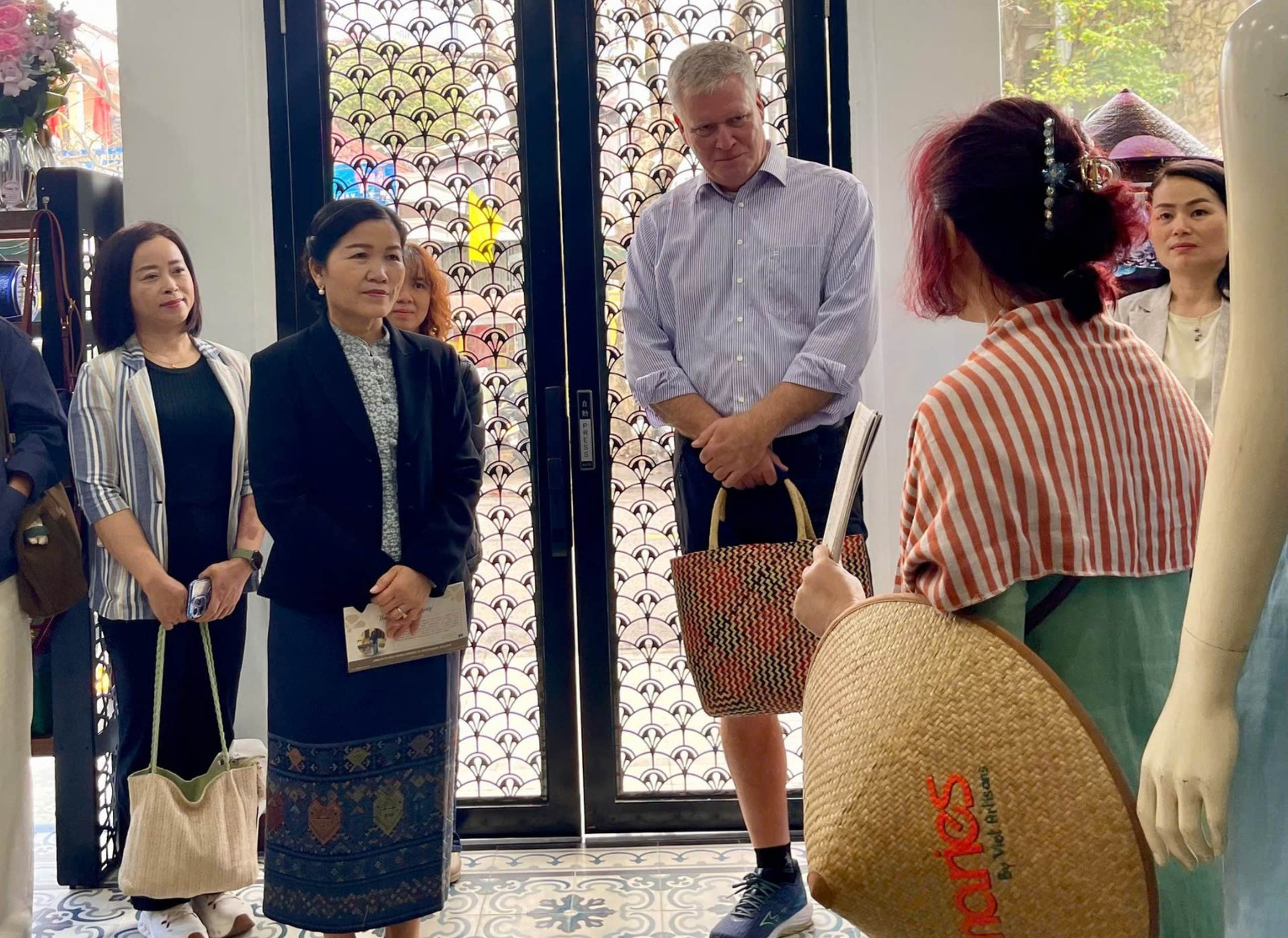
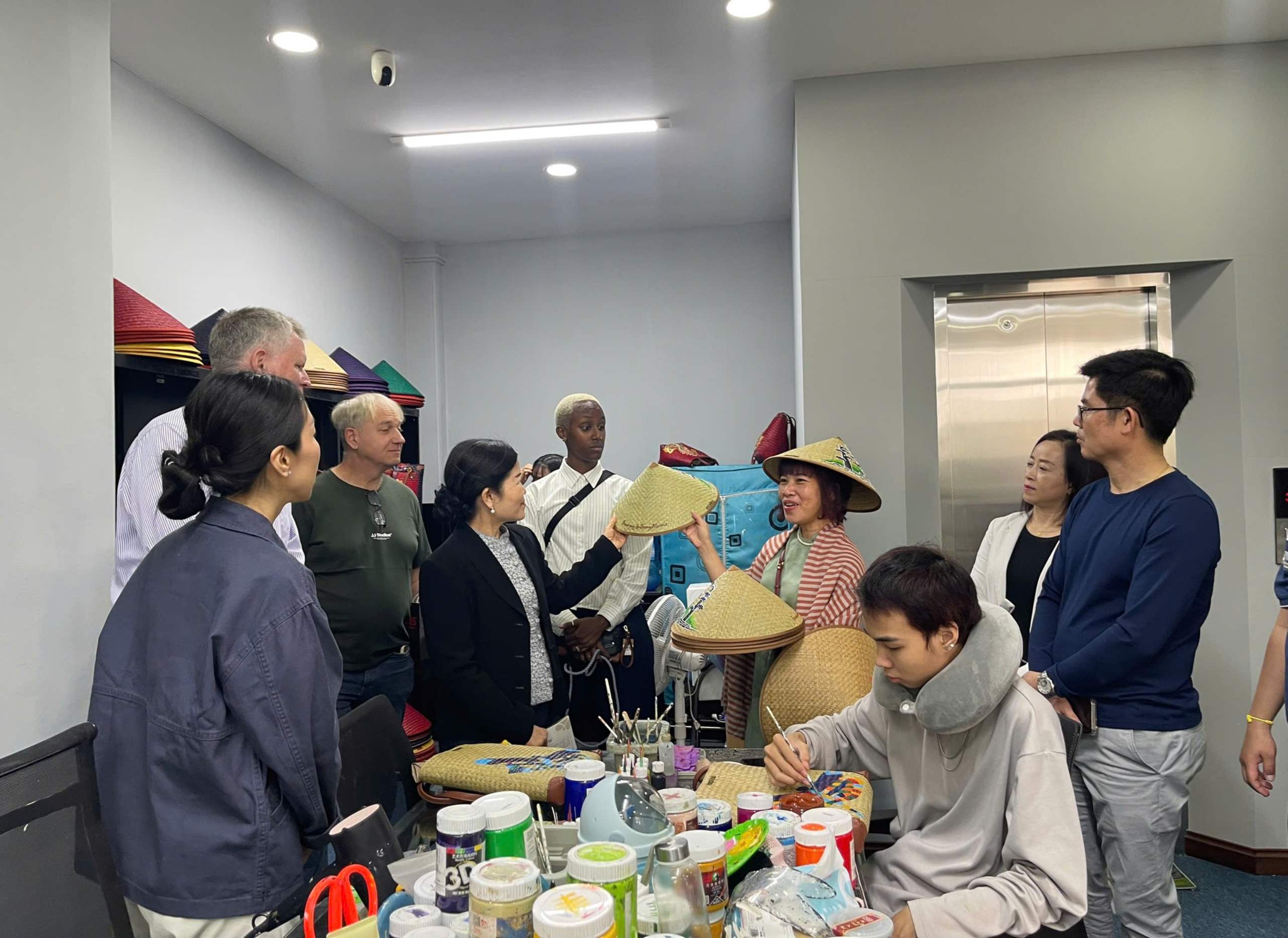
On January 24, 2026, Maries had the honor of welcoming a high-level delegation from the Lao PDR, led by Ms. Phonevanh Outhavong, Vice Minister of Finance of Laos, along with Mr. Robert de Waha, Resident Representative of LuxDev for Laos, Vietnam, and Cambodia.
The visit, part of efforts to promote green investment, financial governance, and sustainable development, marked an important milestone in the company’s cultural and economic engagement in Huế.
During the visit, the delegation explored Maries’ closed-loop production process—from raw materials to finished products such as Maries conical hats, lepironia grass bags, and handcrafted accessories. These products, rich in Huế identity, left a strong impression on international representatives.
More than just a visit, this was an opportunity for Maries to present its sustainable development model—linking businesses, craft villages, and local communities. Through this, Maries reaffirmed its role as a bridge between Vietnam’s traditional culture and international markets through handicrafts.
Spring Fair – Meeting the Market, Listening to Customers
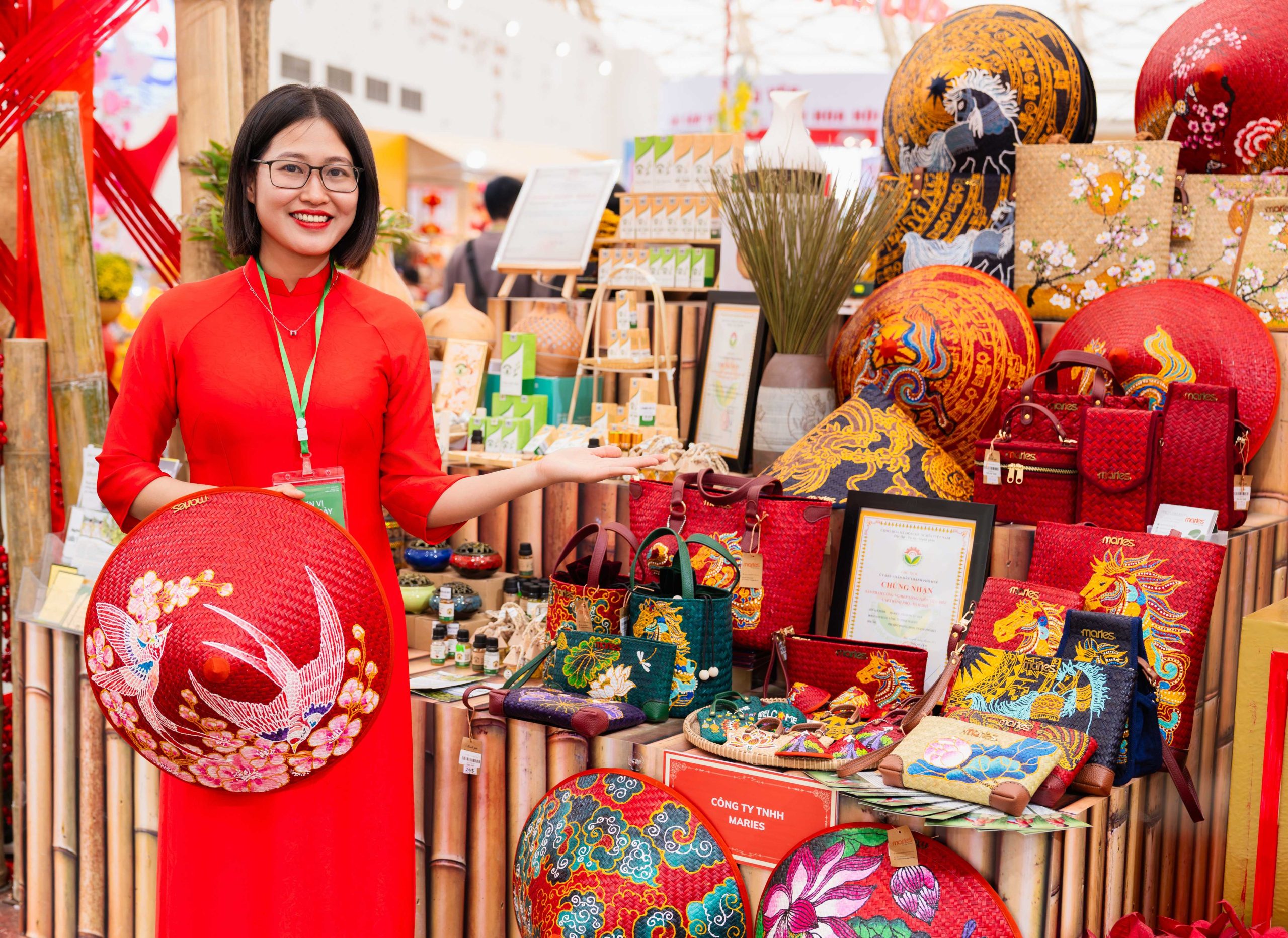
At the 2026 Spring Fair, Maries introduced familiar products, but told their stories in a more approachable way.
Visitors did not simply browse—they asked questions about materials, production processes, and the stories behind each item. These direct interactions provided valuable insights, helping the team better understand real market needs and refine both designs and communication strategies.
The fair also served as a space for meeting new partners and opening doors for long-term collaboration. For a handicraft brand, maintaining direct market connections remains essential.
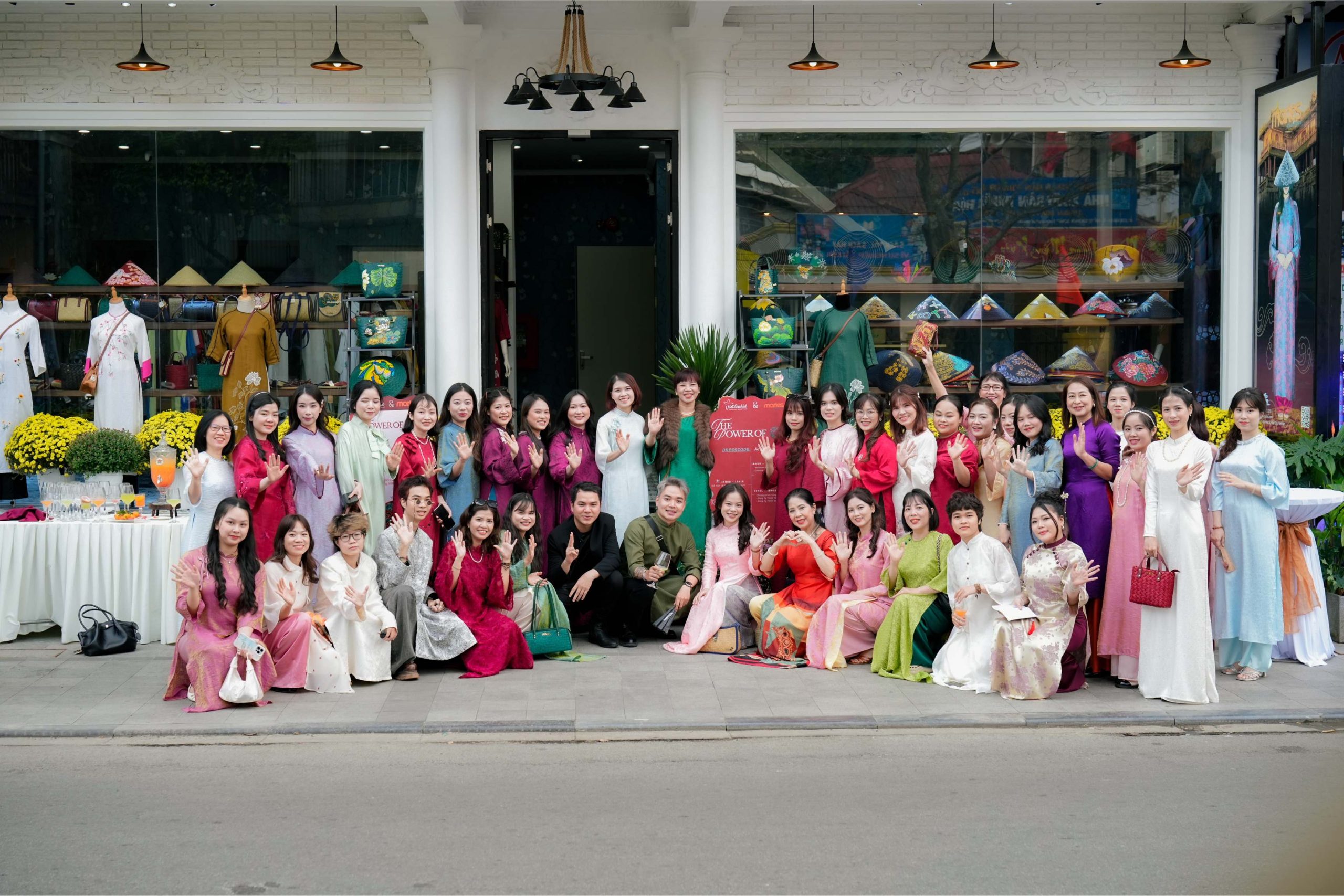
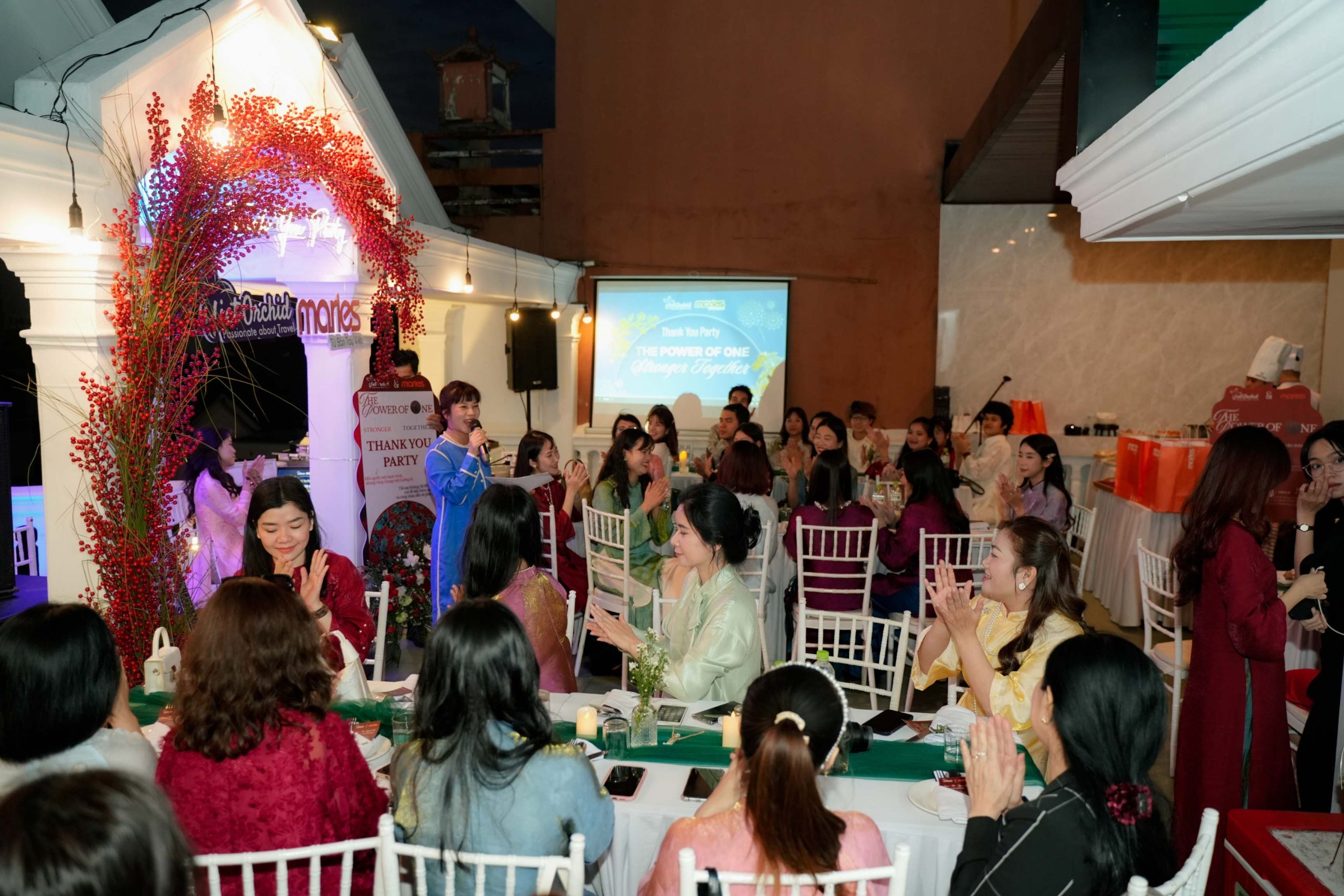
Year-End Celebration: “The Power of One – Stronger Together”
Honoring Artisans – A Bond Built by the Hands That Preserve the Craft
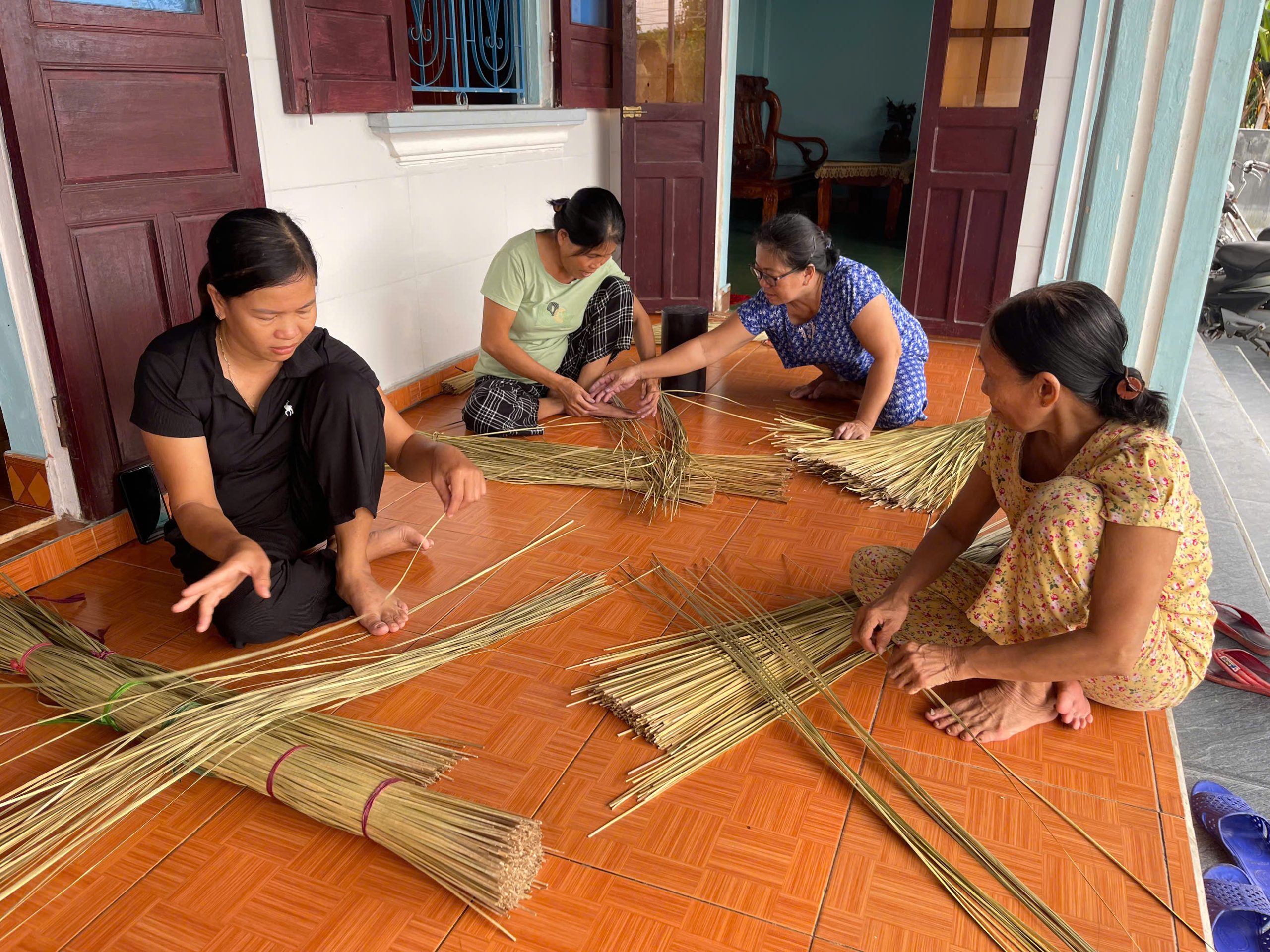
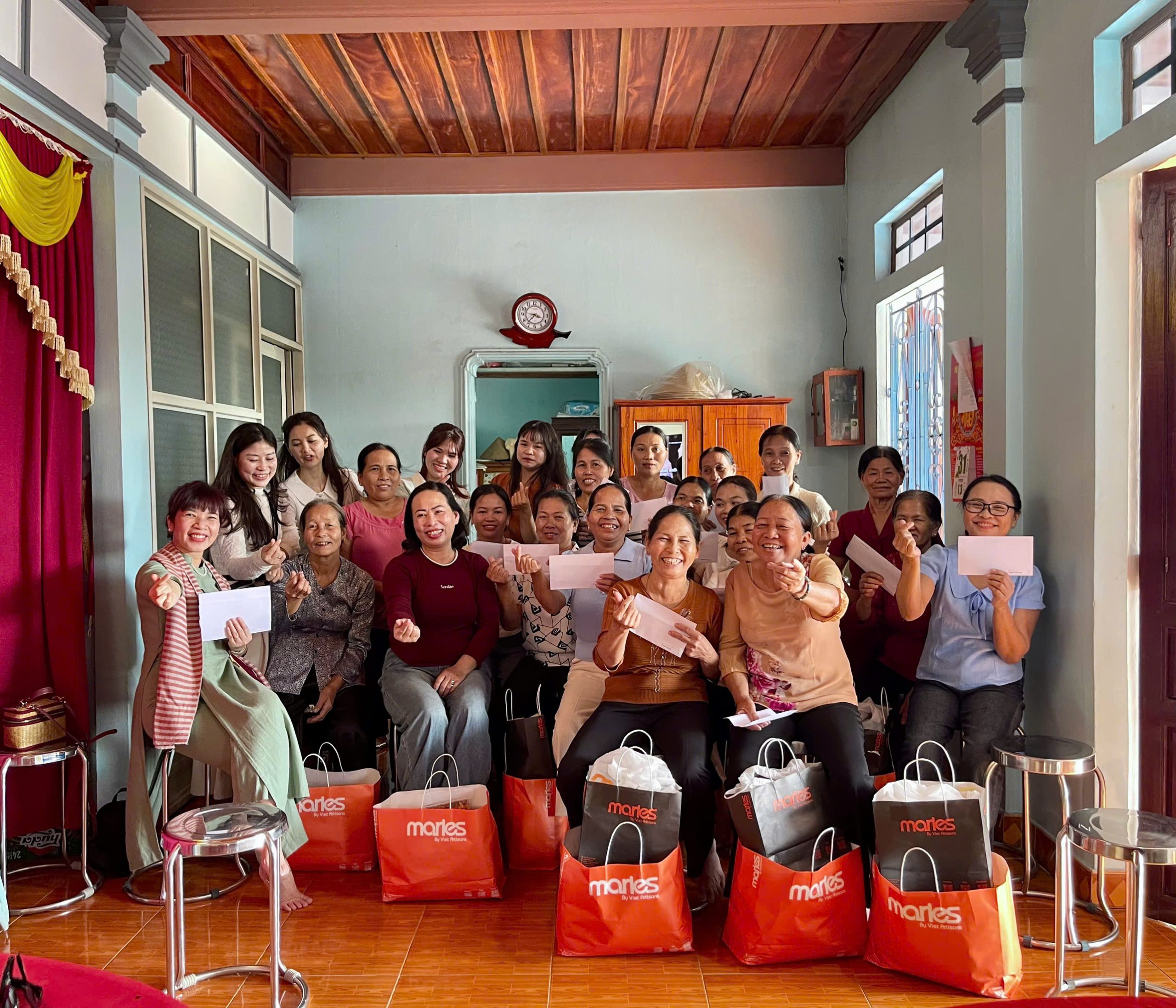
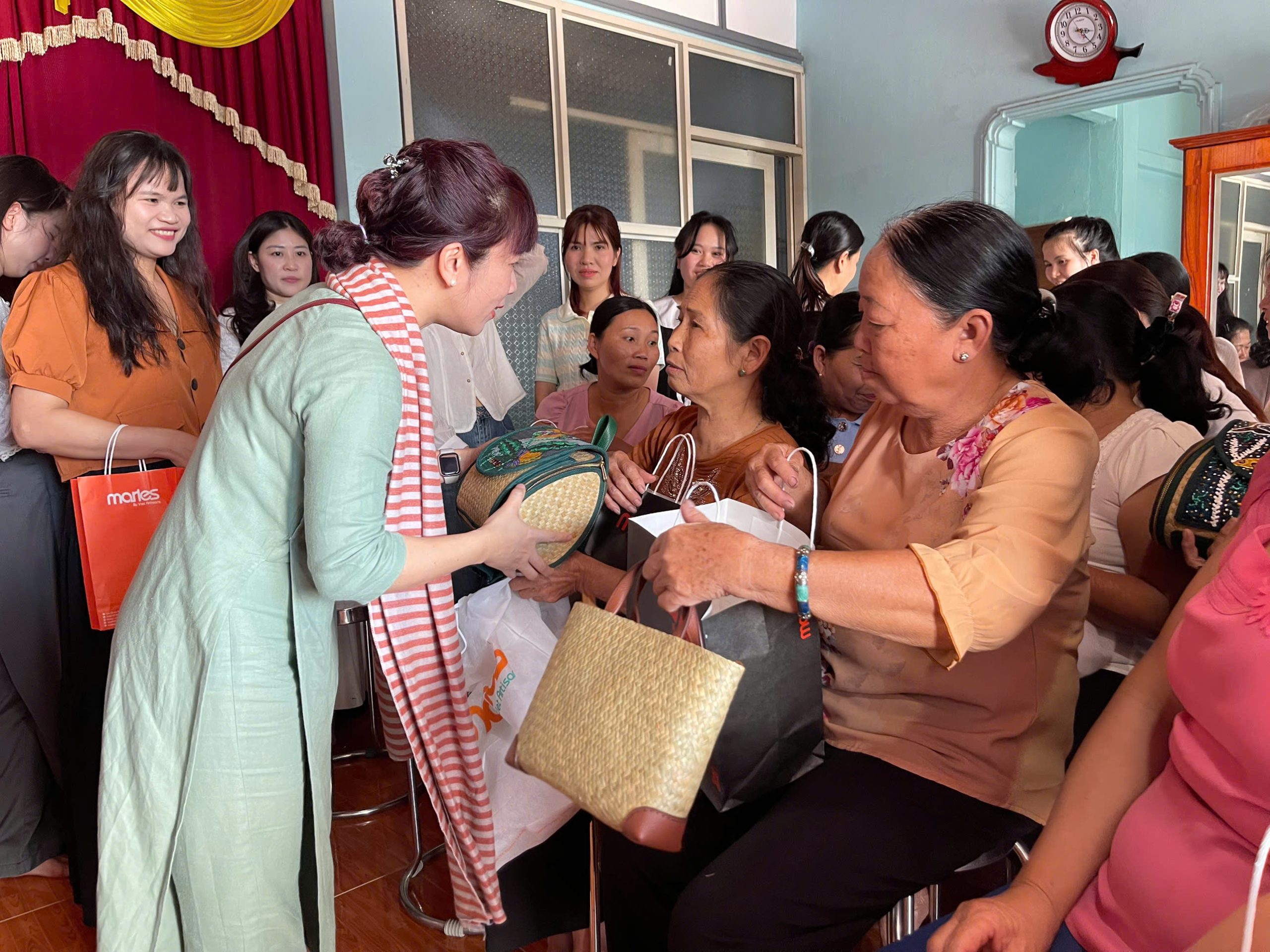
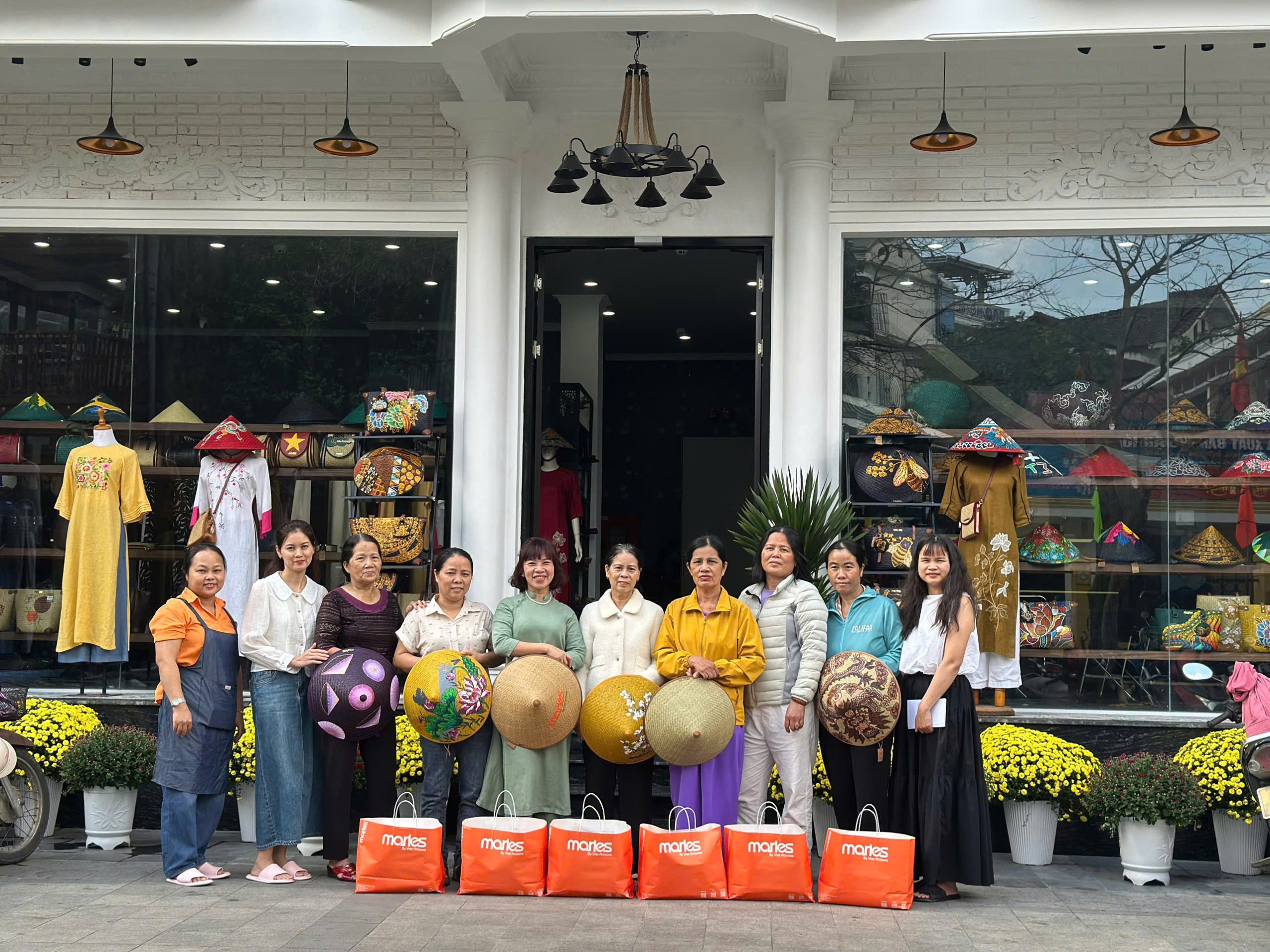
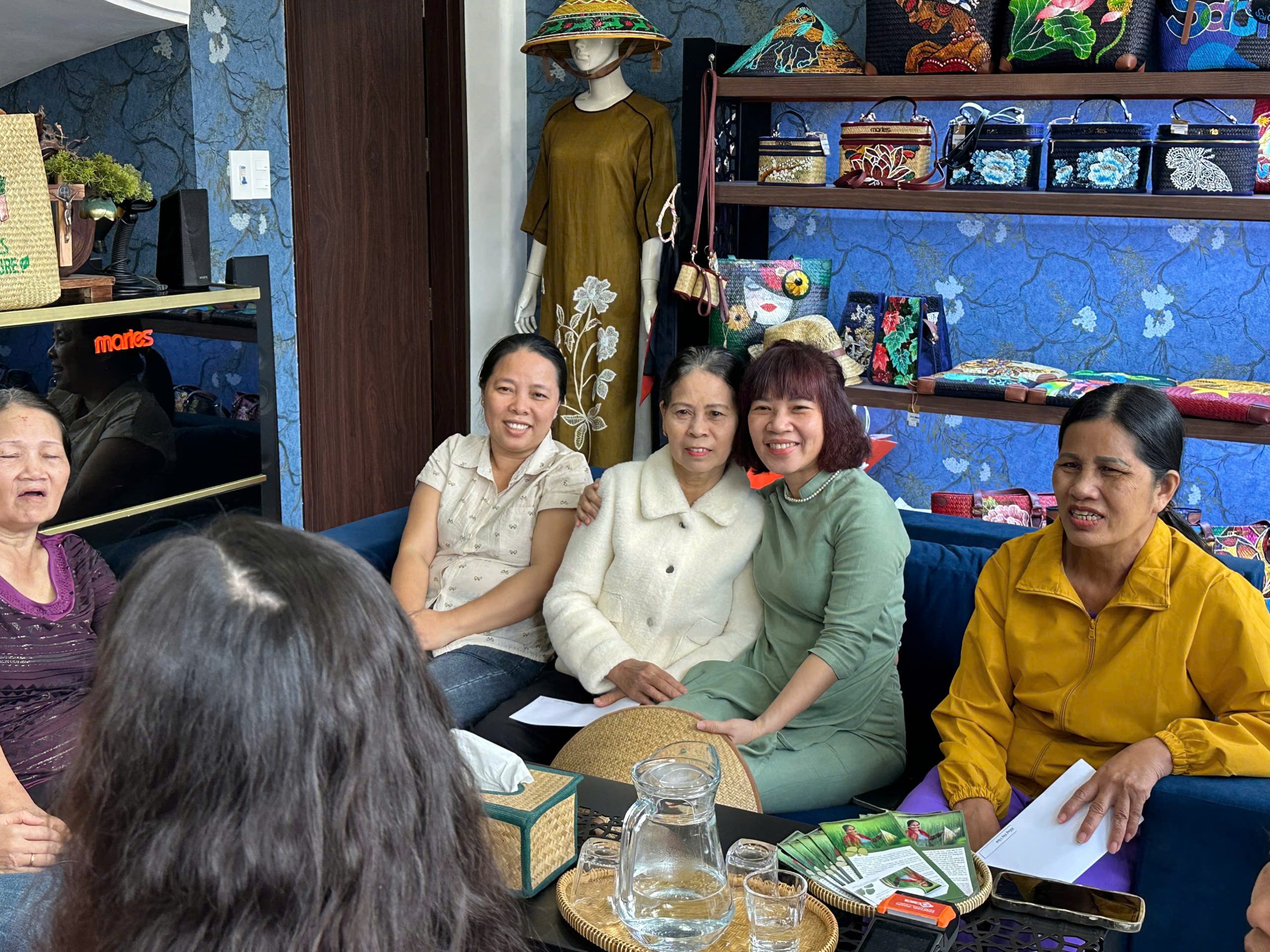
At the end of the year, Maries returned to the lepironia grass weaving and conical hat-making villages—the origin of every product—to personally express gratitude to the artisans who have quietly accompanied the journey throughout the year.
There were no grand stages or elaborate ceremonies—just simple gatherings, handshakes, and conversations after a long working season. The gifts, though modest in material value, carried deep appreciation for every hour of dedicated work and every meticulous detail crafted over time.
Over the past year, these hands have ensured production stability, maintaining both quality and the true spirit of craftsmanship in every product delivered to customers. It is a quiet achievement, yet decisive for Maries’ overall development.
For Maries, the connection with craft villages goes beyond orders or production partnerships. It is a relationship built on trust and long-term companionship—where businesses and artisans share the responsibility of preserving, nurturing, and sustaining the craft in modern life.
Human Resource Policies 2026 – Stability for Sustainable Growth
Entering 2026, Maries conducted a comprehensive review of its salary, bonus structures, and organizational framework, based on insights from the previous year.
The adjustments are not abrupt changes, but refinements—improving income mechanisms, performance recognition, and role allocation across departments.
Notably, these policies are built from real experiences—addressing the actual challenges faced by the team. As a result, the system is not only clearer, but also better suited to the rhythm of a handicraft business, where each role carries its own unique characteristics.
The true achievement lies not in numbers, but in creating a more stable working environment. When artisans, production teams, and office staff all feel recognized and secure, they can focus on doing their work well—ultimately enhancing overall product and service quality.
For Maries, investing in people is never an expense. It is a way of building a strong foundation—slow but steady—for sustainable growth in the long journey ahead.
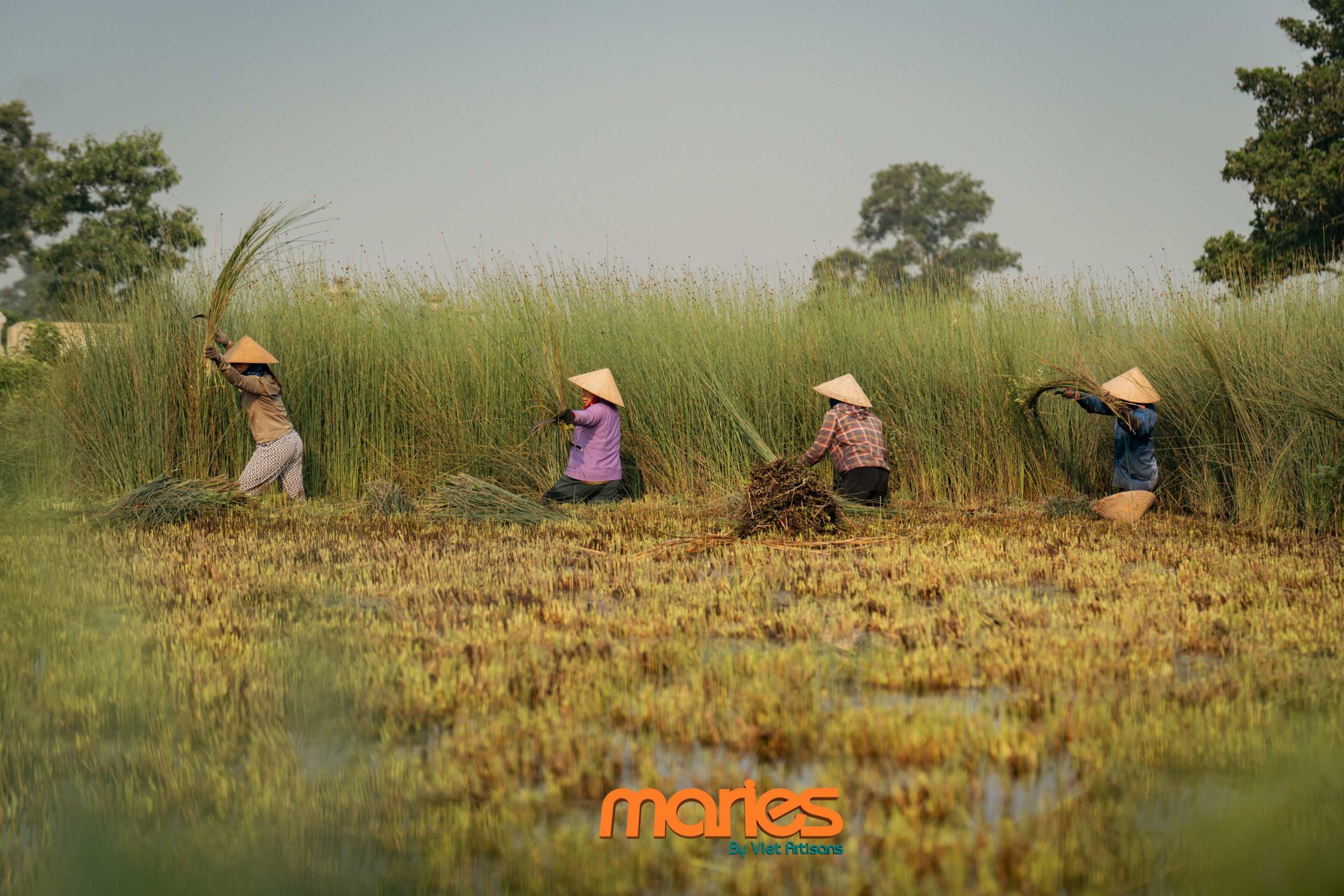
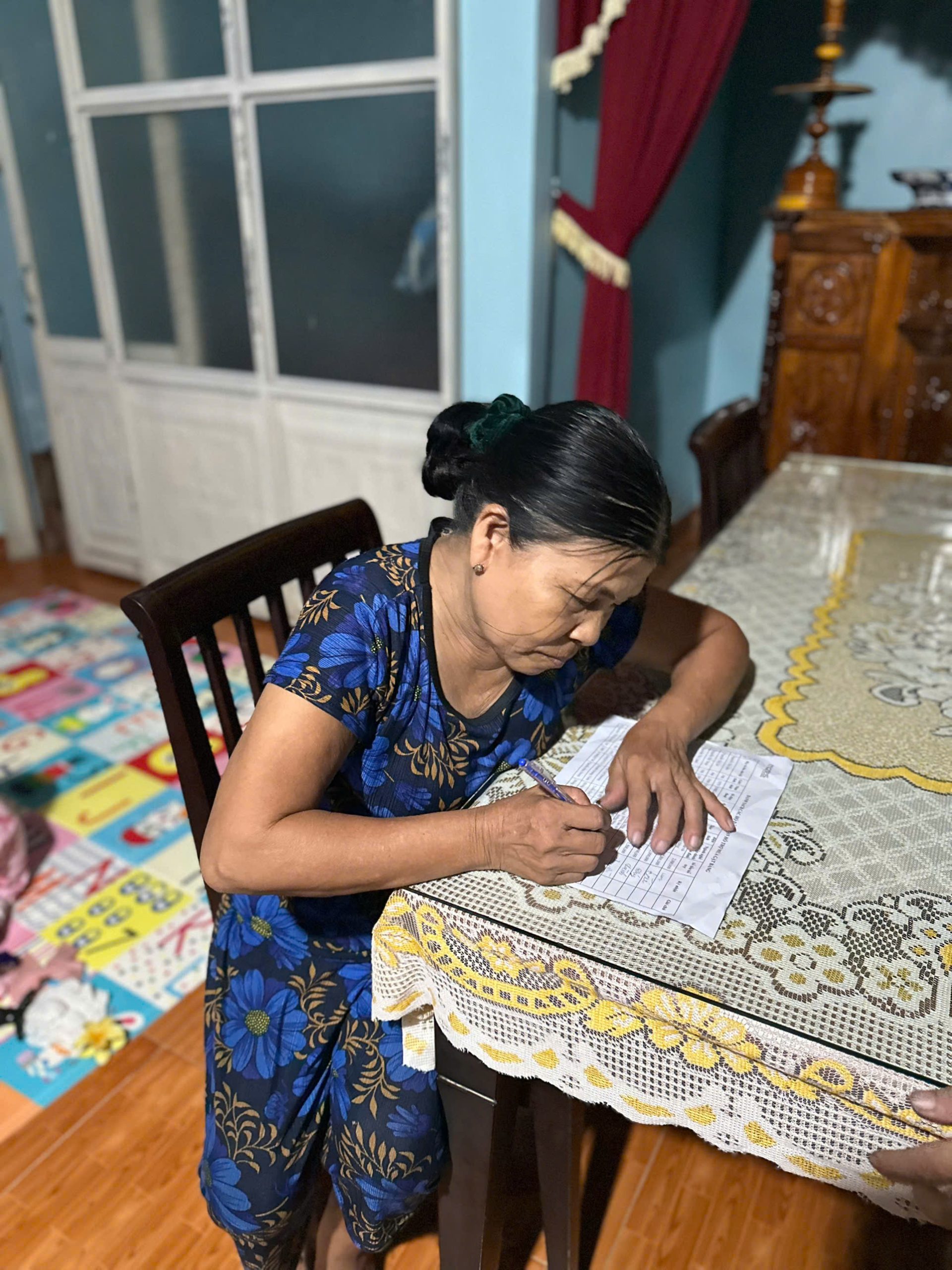
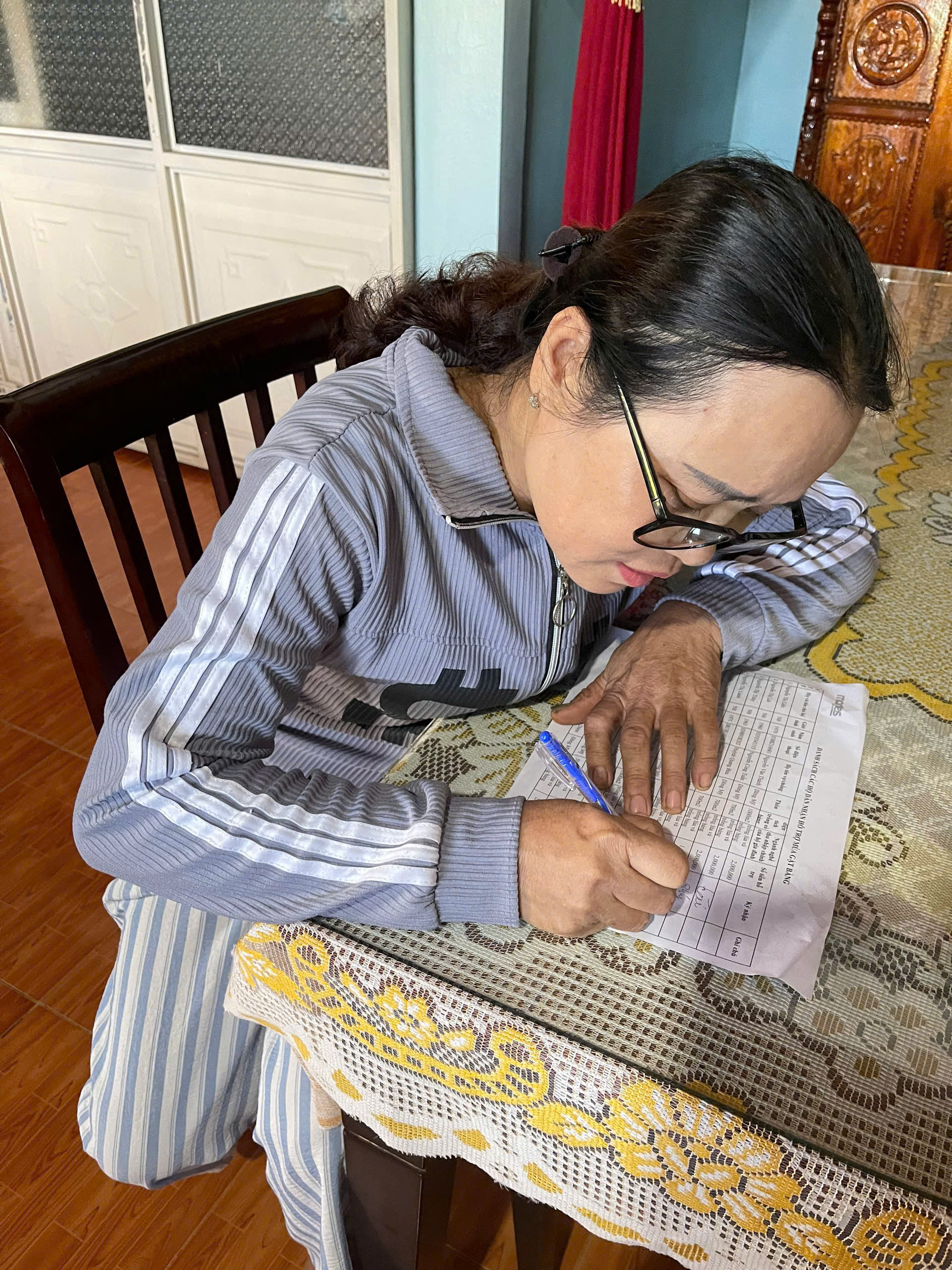
Supporting Harvest Season with Lepironia Grass Farmers
 |
 |