Tiếng Việt
Faculty of Cultural Industries and Heritage, VNU–SIS
Field Study on the Cultural Industries Model at Maries
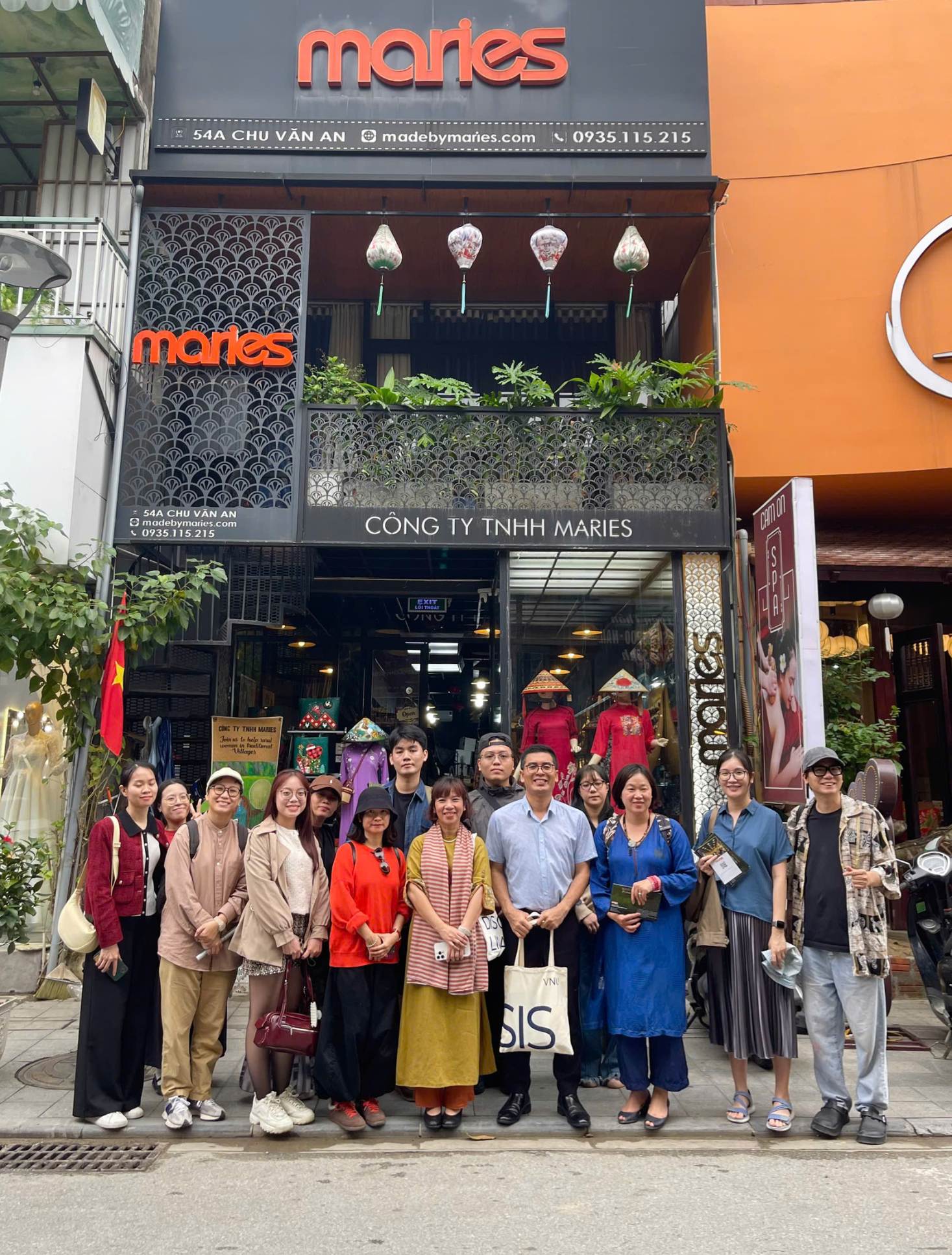
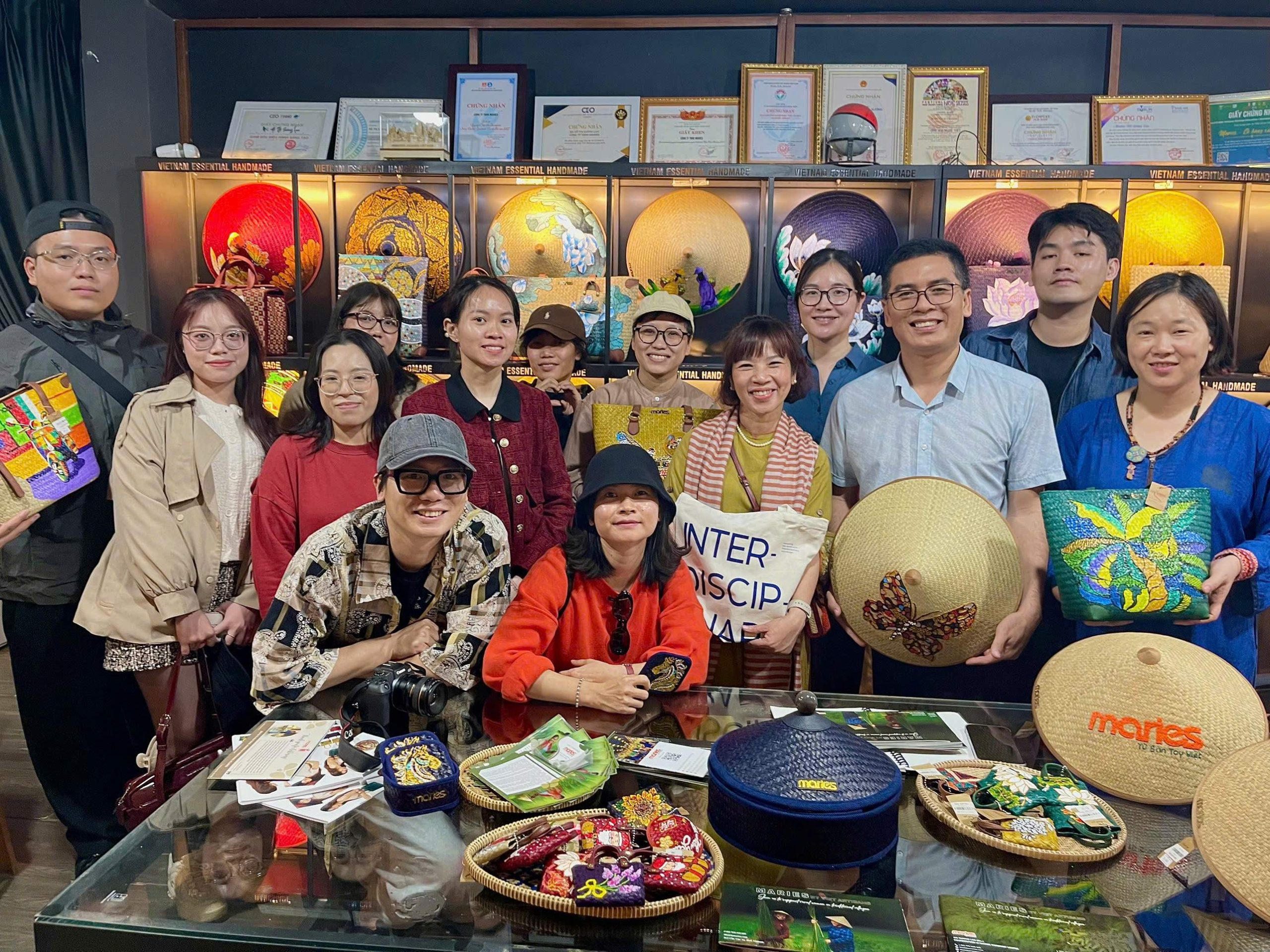
On December 20, Maries welcomed a delegation of lecturers and master’s students from the School of Interdisciplinary Sciences and Arts (VNU–SIS), Vietnam National University, Hanoi, as part of the academic field study activities of the Master’s Program in Creative and Cultural Industries (CCI).
The delegation was led by Assoc. Prof. Dr. Vu Dinh Hoa, Vice Dean of the Faculty of Cultural Industries and Heritage, together with lecturers and students of the master’s program. The visit aimed to examine a business model operating on a heritage-based foundation, enabling students to compare academic theory with real-world practices in the field of cultural industries.
A pioneering master’s program in Creative and Cultural Industries
The Master’s Program in Creative and Cultural Industries (CCI) offered by VNU–SIS is widely regarded as one of the pioneering postgraduate programs in Vietnam in this field. The program approaches cultural industries as a creative economic sector, where culture, heritage, media, and entertainment are managed and developed through an interdisciplinary perspective.
Rather than focusing solely on conservation or purely academic research, the CCI program emphasizes management capacity, project development, and creative entrepreneurship, viewing culture and heritage as resources for economic growth and social development. A distinctive feature of the program is its integration of academic theory with practical projects, in which field studies at enterprises, cultural organizations, and communities play a key role in the training structure.
Field experience: Heritage as a “living” and “operating” resource
Within this training context, Maries serves as a practical case study demonstrating how heritage can be integrated into contemporary economic life through an enterprise-based model. Maries operates at the intersection of three core elements:
Local heritage – Modern business thinking – Clear community impact.
 |
 |
 |
 |
Originating from the traditional Lepironia grass weaving craft in Hue, Maries does not follow the path of purely artisanal production or mass-market souvenir sales. Instead, the brand has chosen a more challenging direction: standardizing products, investing in design, building a strong brand identity, and gradually positioning handcrafted products within higher-end gift and lifestyle markets.
What makes Maries a “living case study” is not its scale, but the way its model is organized:
-
A value chain closely linked to craft villages and artisans, particularly rural women
-
The integration of traditional craftsmanship with contemporary design language
-
Storytelling of heritage through products, rather than solely through exhibitions or displays
-
Continuous efforts to balance economic efficiency with social responsibility
These aspects reflect the core objectives pursued by training programs in Cultural Industries and Heritage.
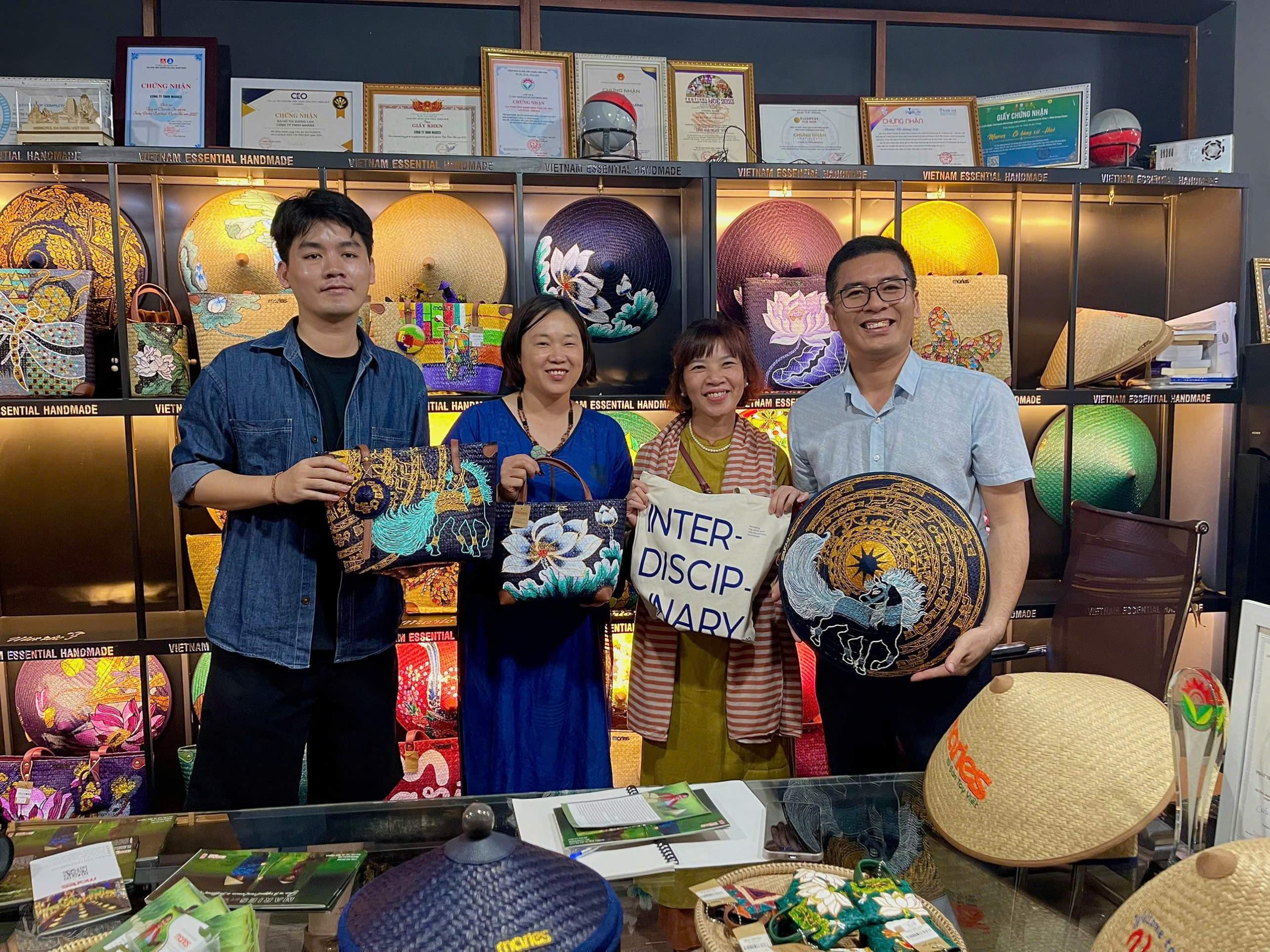
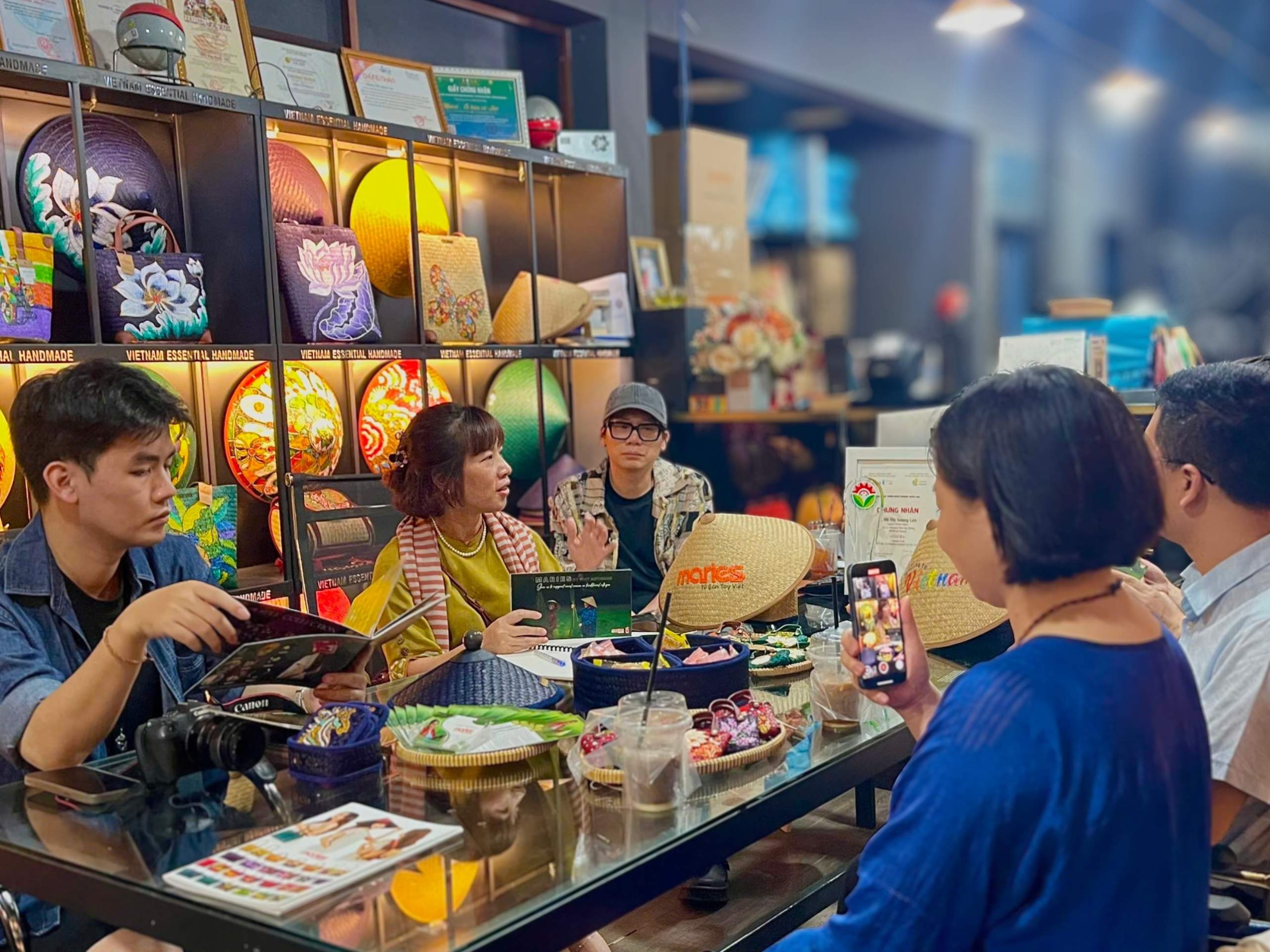
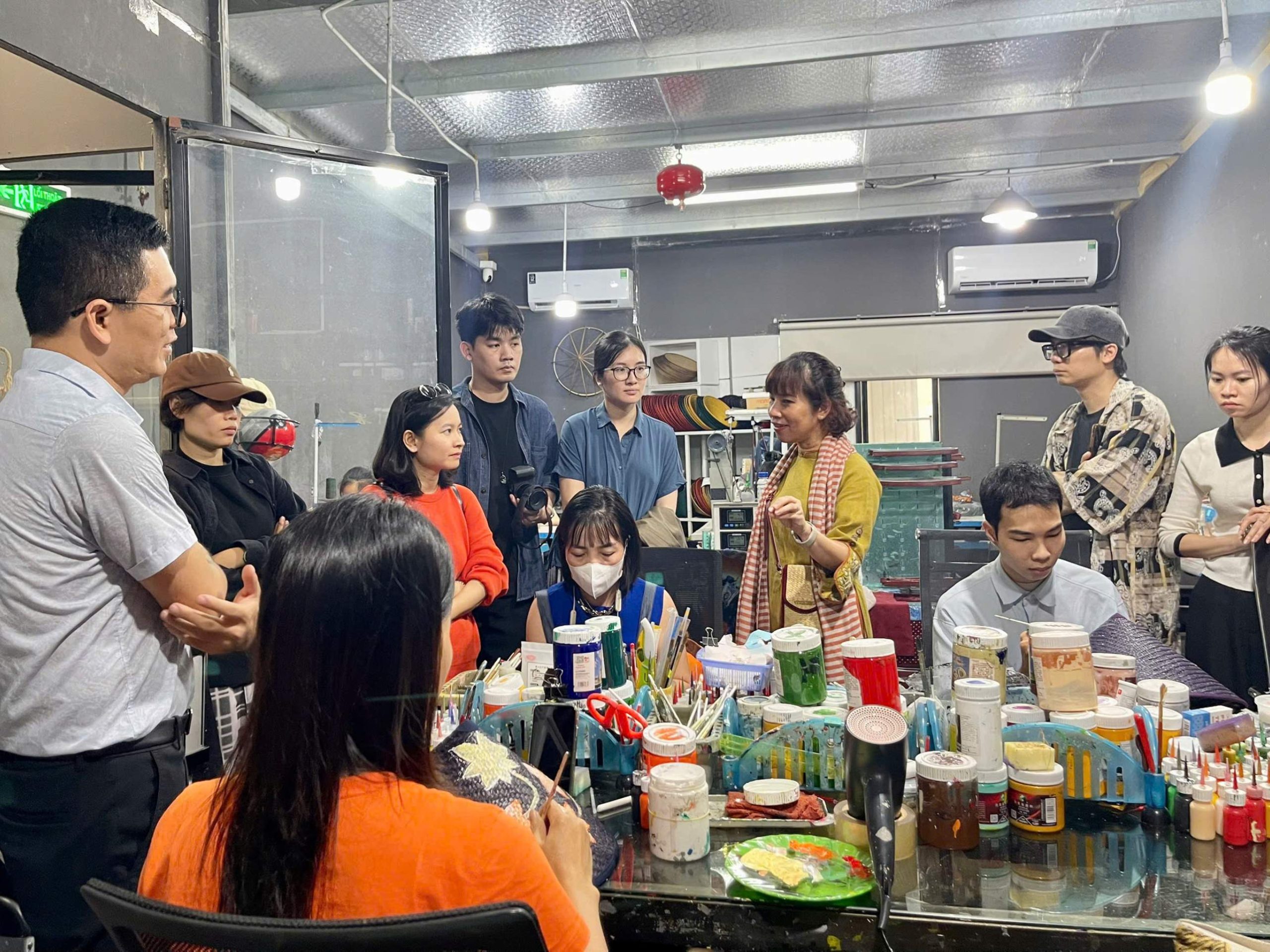
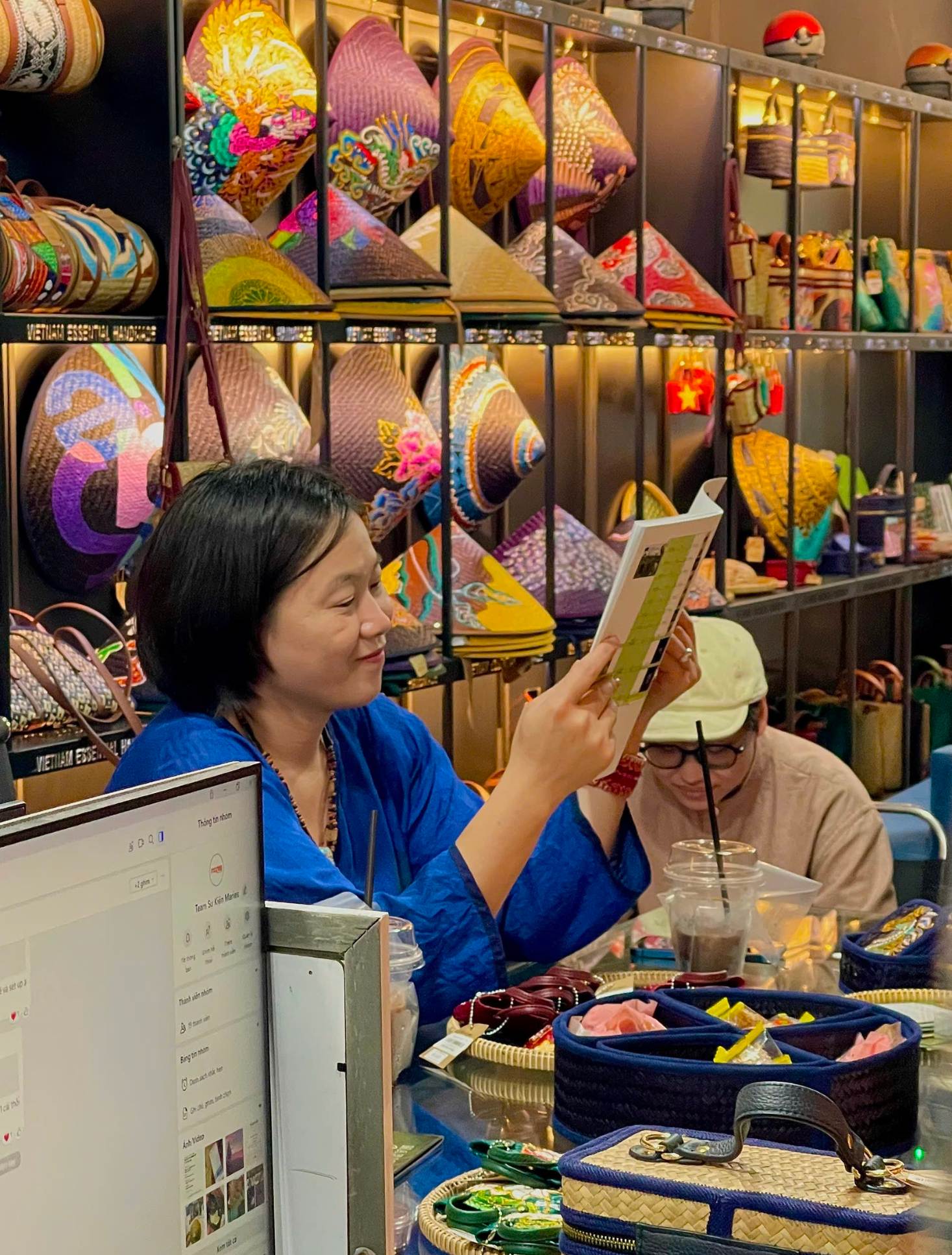
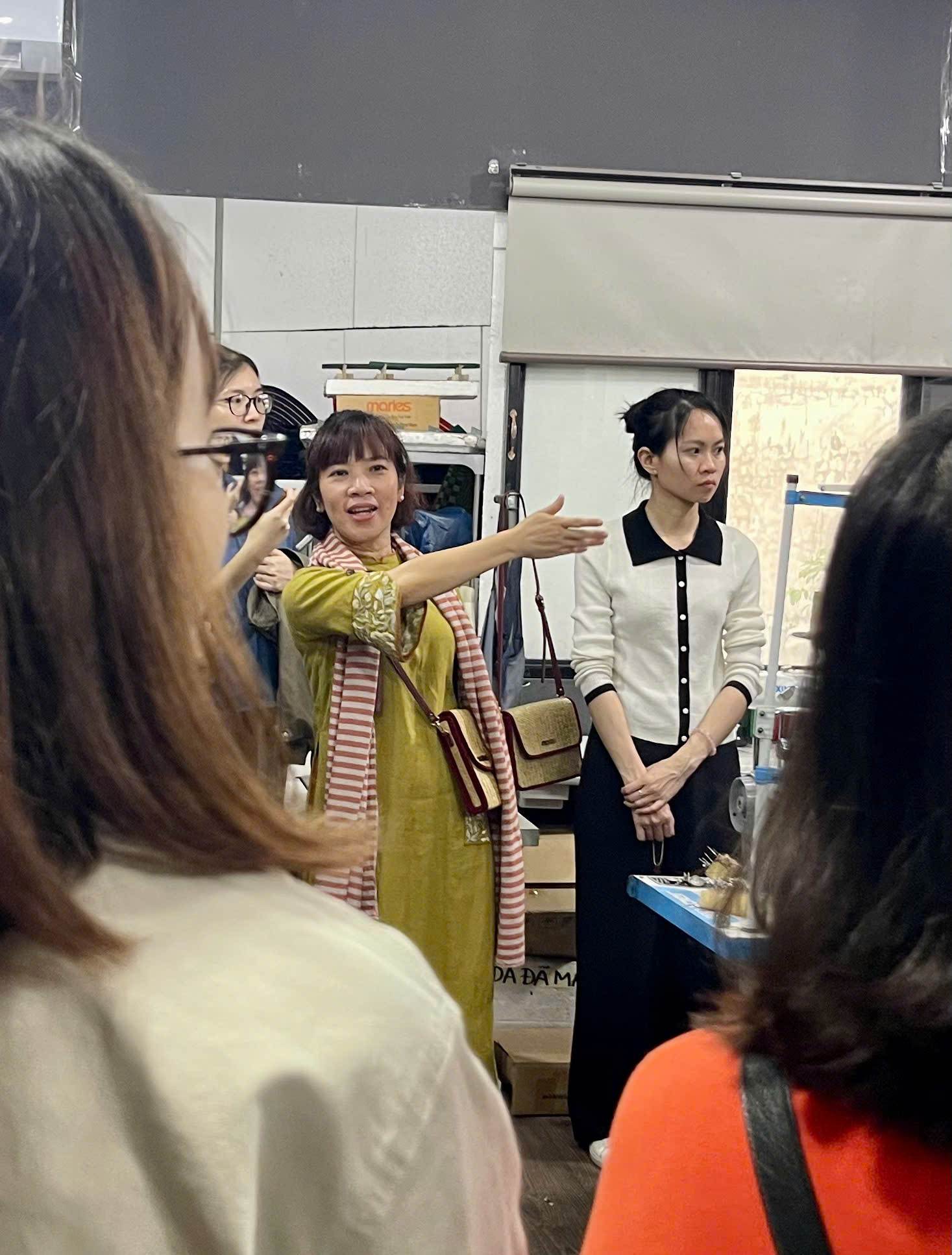
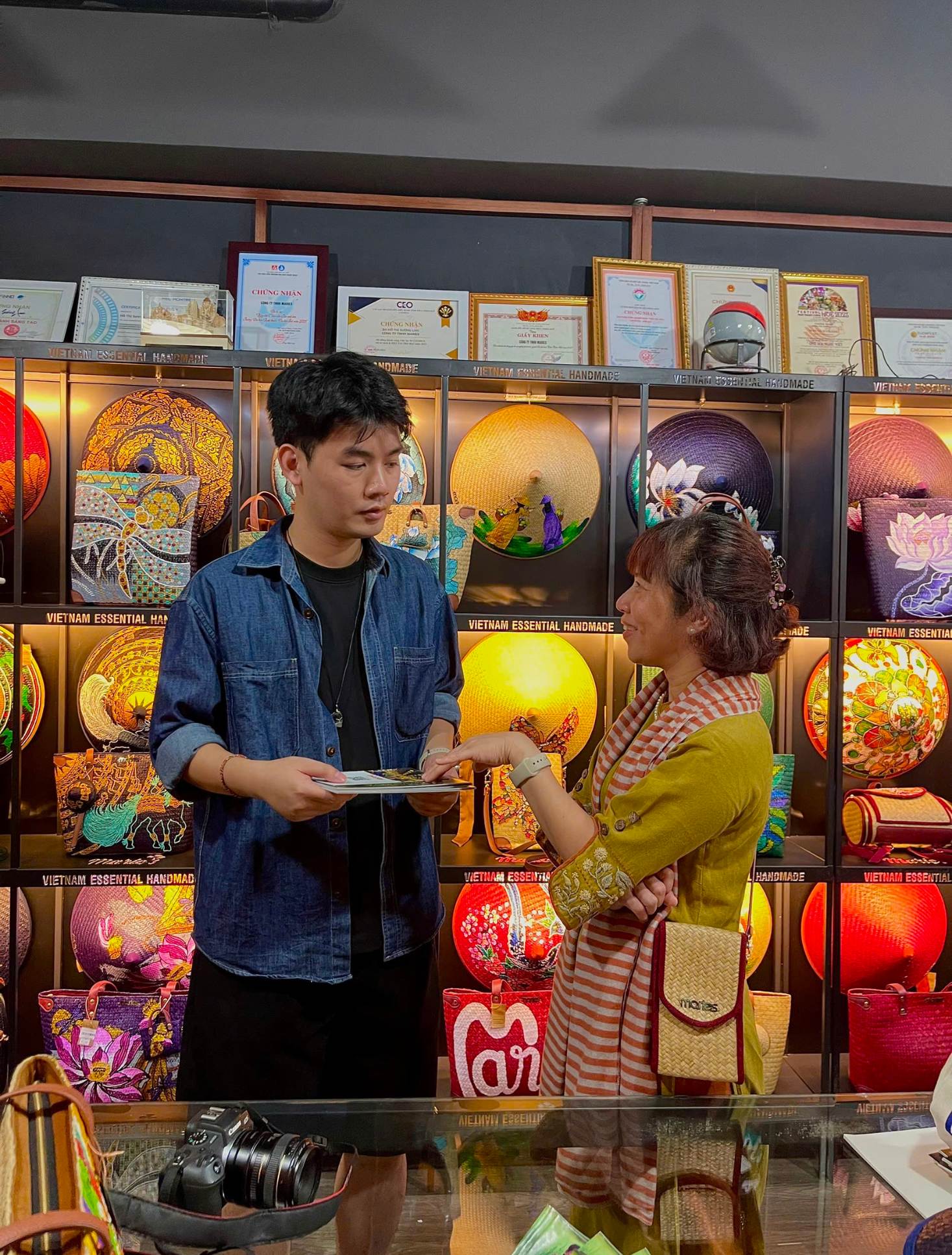
At Maries, the delegation of lecturers and students was introduced to the brand’s development journey, operational model, and the challenges involved in bringing handcrafted products to market.
The working space, product exhibition area, and artisanal production process provided students with a direct and tangible understanding of how heritage is positioned within the flow of the modern economy.
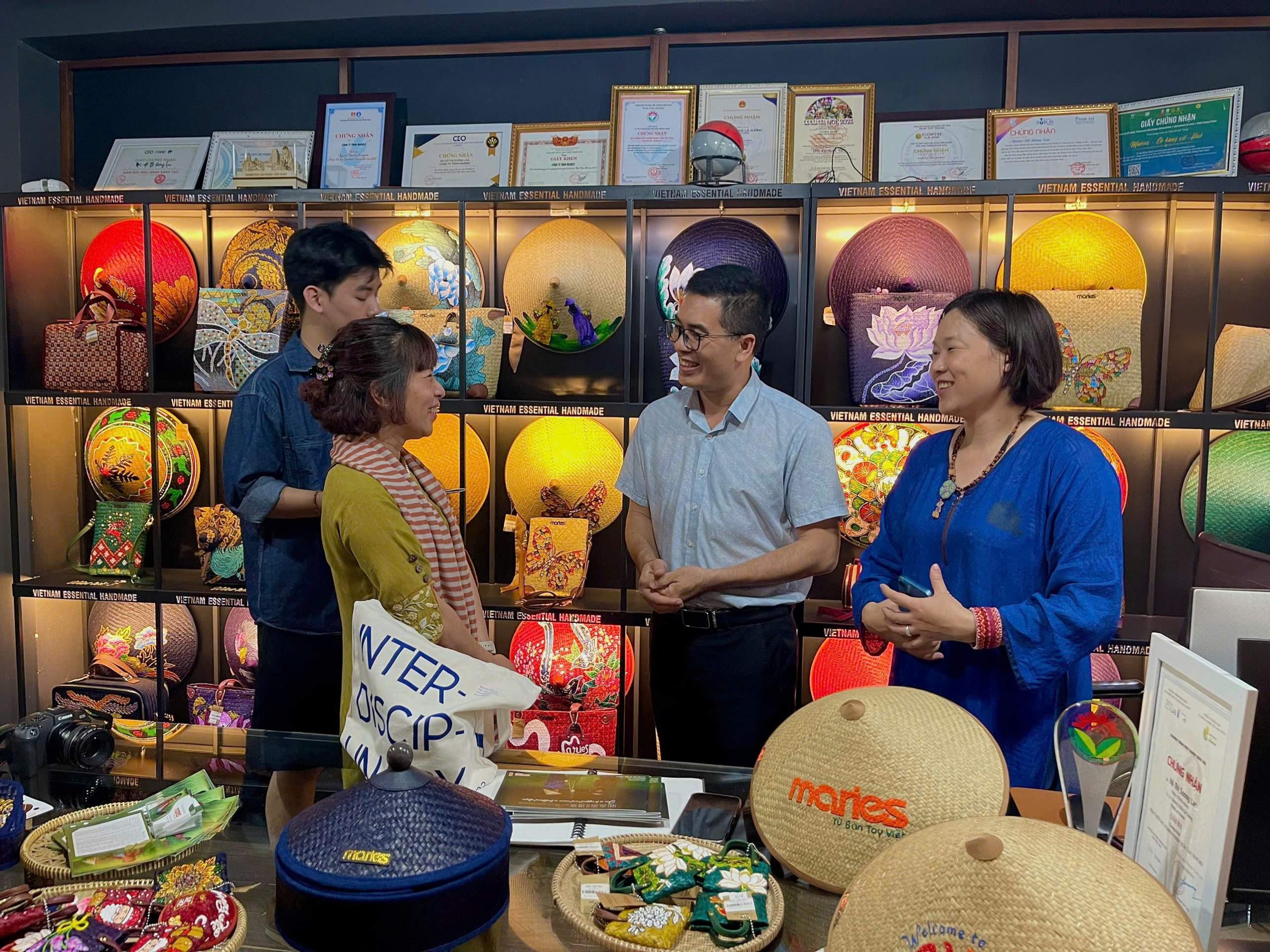
Numerous questions were raised regarding the scalability of the model, cost structures, quality standardization, and the preservation of identity during market expansion. These discussions highlighted the clear differences between classroom knowledge and the realities of enterprise operations.
 |
 |
 |
 |
Within the CCI curriculum, cultural industry practitioners are regarded as intermediary agents—those who “translate” heritage into the language of technology, markets, and contemporary audiences. Concepts such as cultural storytelling, understanding younger audiences, and connecting conservation expertise with new platforms are emphasized as core competencies.
The field study at Maries represents a typical activity aligned with the orientation of the CCI master’s program: connecting academic learning with practice, and research with everyday life. For Maries, the visit was not only an opportunity to present its model, but also a chance to engage with academic perspectives, thereby further refining its own approach.